Introduction: Adventure Without Exhaustion
National parks represent America's most treasured natural landscapes—from dramatic canyons to towering mountains, from pristine lakes to ancient forests. Yet many travelers believe experiencing these wonders requires strenuous hiking and advanced fitness levels. The truth is, some of America's most spectacular national parks offer easy and moderate trails that deliver breathtaking scenery without requiring marathoner endurance.
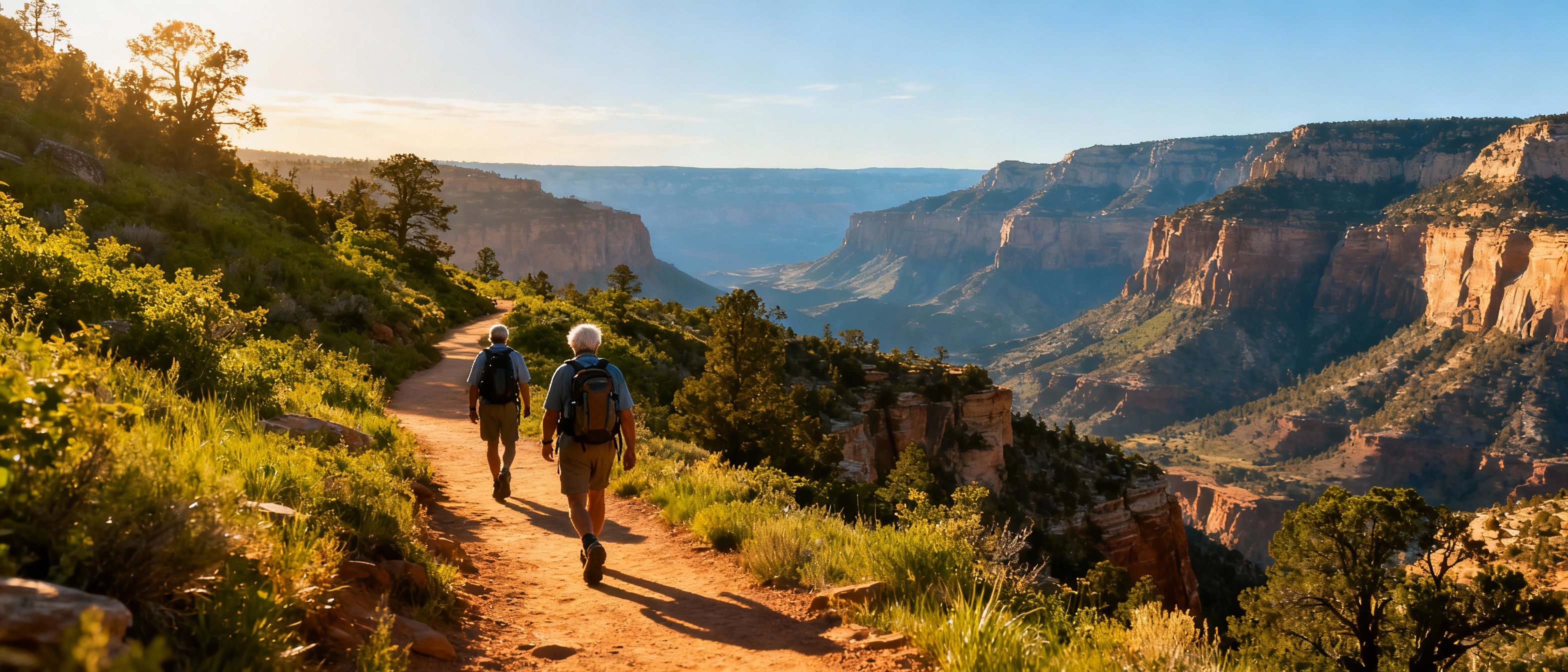
Light adventure hiking represents the perfect balance for many travelers: the opportunity to experience wilderness and natural beauty while maintaining a sustainable, enjoyable pace. Easy and moderate trails allow you to linger at viewpoints, photograph landscapes, and truly absorb the majesty of these protected areas without physical strain overshadowing the experience.
1. Great Smoky Mountains National Park: Waterfall Walks
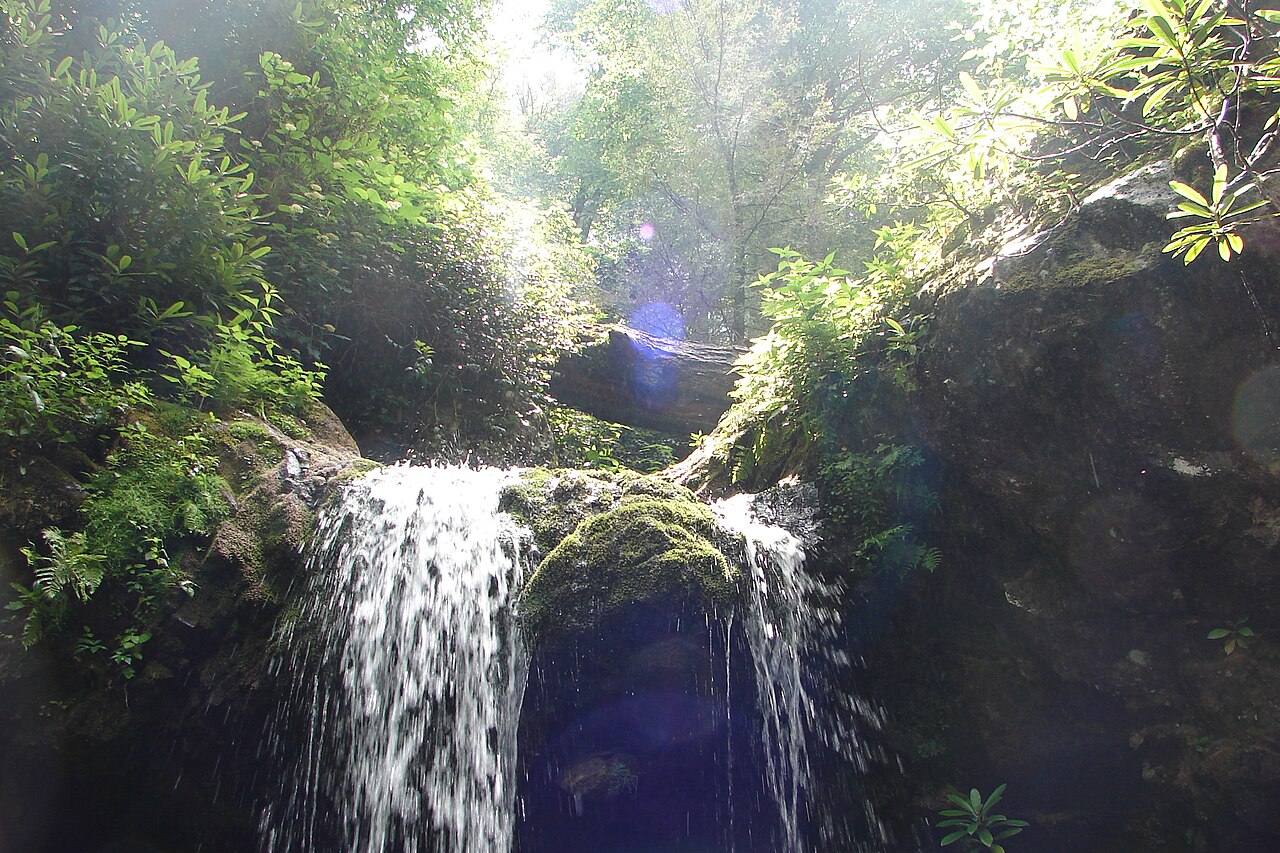
America's most visited national park offers numerous easy and moderate trails, many featuring cascading waterfalls. The park's low elevation and mild climate create ideal hiking conditions, while well-maintained trails make exploration accessible for diverse fitness levels.
Why Visit: Great Smoky Mountains combines accessibility with unmatched natural beauty. The park's diverse ecosystems, abundant wildlife, and historical structures provide rich experiences beyond just hiking.
Best Easy Trails:
- Grotto Falls via Trillium Gap Trail: 2.6 miles round trip. Shaded forest walk to a 25-foot waterfall. Mostly flat with minimal elevation gain.
- Laurel Falls Trail: 2.6 miles round trip. Paved trail to a scenic waterfall. Moderate climb but rewarding views.
- Cataract Falls Trail: 0.8 miles round trip. Ultra-short walk to a beautiful waterfall. Perfect for minimal fitness levels.
Best Time to Visit: May-June or September-October for pleasant weather and wildlife viewing.
2. Acadia National Park, Maine: Coastal Bliss
Acadia offers stunning coastal scenery combined with accessible hiking options. Perched on Maine's rocky coast, the park features granite peaks, pristine lakes, and dramatic ocean vistas—all reachable via easy and moderate trails.
Why Visit: Acadia uniquely combines mountain and coastal scenery. The park offers accessibility services, shuttle transportation, and diverse trail options suitable for all fitness levels.
Best Easy Trails:
- Jordan Pond Path: 3.3 miles round trip. Mostly flat walk with stunning views of Jordan Pond and mountain backdrop.
- Carriage Road Trails: Multiple easy options ranging 0.5-5 miles. Gravel carriage roads offering scenic exploration without steep climbs.
- Ship Harbor Trail: 1.3 miles round trip. Coastal walk to a protected harbor. Minimal elevation change.
Best Time to Visit: May-June or September-October for clear weather and pleasant temperatures.
3. Zion National Park, Utah: Canyon Exploration
Zion's dramatic sandstone cliffs create awe-inspiring scenery accessible via easy and moderate trails. The park's shuttle system provides convenient access to trailheads, and well-developed paths allow comfortable exploration of this geological masterpiece.
Why Visit: Zion showcases some of Earth's most dramatic geological formations. Easy trails offer spectacular views without requiring technical climbing or extreme exertion.
Best Easy Trails:
- Riverside Walk: 2 miles round trip. Flat walk along the Virgin River with towering canyon walls. Mostly paved surface.
- Emerald Pools Trail: 1.5-3 miles depending on which pools you reach. Paved lower section leads to small pool; moderate section continues to upper pools.
- Canyon Overlook Trail: 1 mile round trip. Steeper hike with dramatic canyon views from above.
Best Time to Visit: April-May or September-October. Summer is hot; winter can limit access.
4. Grand Canyon National Park, Arizona: Rim Walks
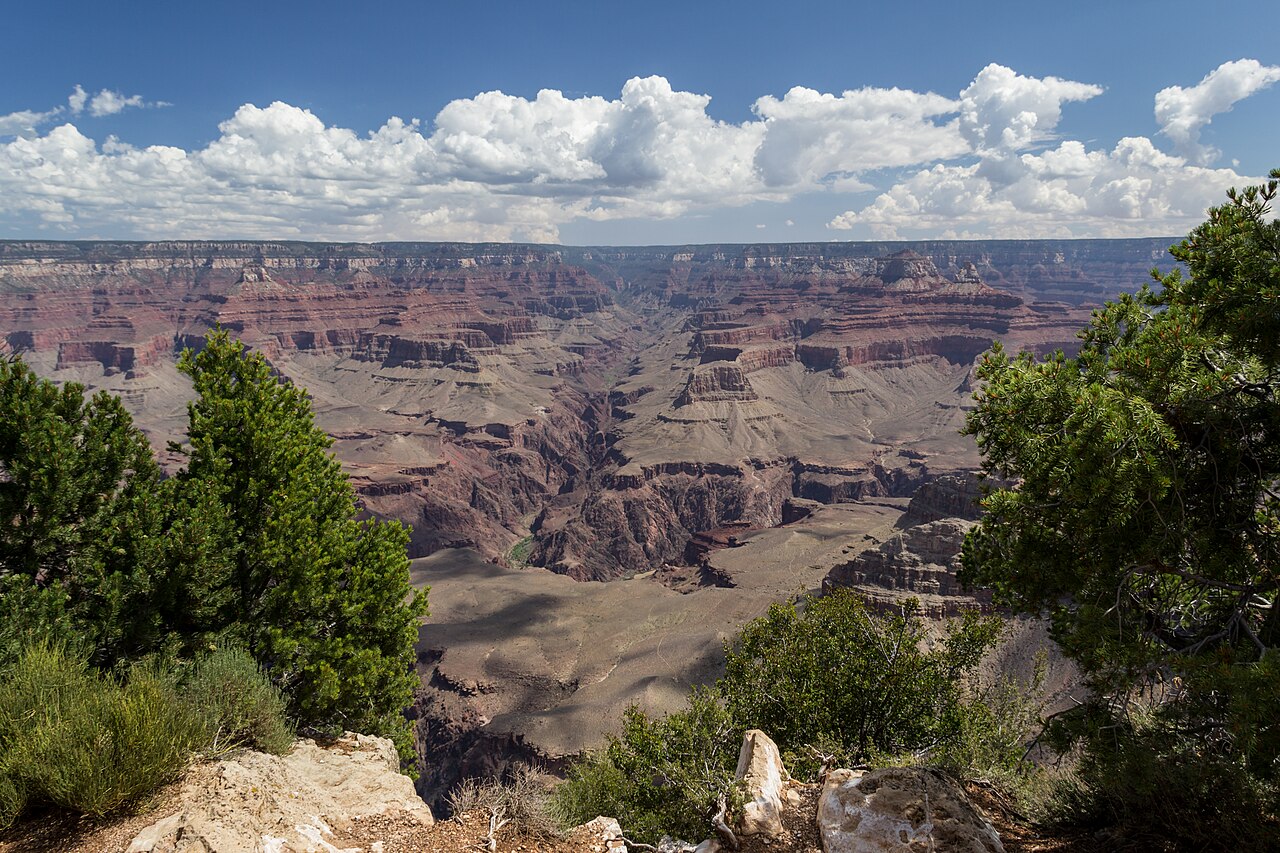
The Grand Canyon's most accessible exploration happens via the Rim Trail, offering extraordinary views of the Colorado River and canyon geology without requiring descents into the canyon itself. Multiple shuttle points and rest areas ensure comfort.
Why Visit: The Grand Canyon represents one of Earth's most significant geological wonders. Rim trails provide dramatic views accessible to virtually all fitness levels.
Best Easy Trails:
- South Rim Trail Sections: Paved portions between Sunrise and Sunset Points (1 mile round trip). Completely wheelchair accessible with stunning views.
- Rim Trail (Maricopa Point to Monument Creek Vista): 3.5 miles. Mostly flat walk along the canyon edge with numerous viewpoints and rest areas.
- Bright Angel Trail (to 1.5 Mile Restroom): 3 miles round trip. Descends into canyon gradually with switchback views.
Best Time to Visit: May-June or September-November. Summer heat is extreme; winter brings snow and icy conditions.
5. Yosemite National Park, California: Valley Walks
Yosemite Valley offers accessible ways to experience one of America's most photographed landscapes. Easy trails lead to iconic waterfalls and meadows while providing rest areas and shuttle access.
Why Visit: Yosemite's granite cliffs, waterfalls, and giant sequoias create incomparable scenery. Valley trails offer accessible exploration without requiring backcountry hiking.
Best Easy Trails:
- Bridalveil Fall Trail: 0.5 miles round trip. Short walk to an iconic waterfall with dramatic views.
- Valley Loop Trail (various sections): 7.2 miles total; walk portions. Flat trail with views of major valley features.
- Yosemite Falls Overlook: 1.5 miles round trip. Gentle climb to views of Yosemite Falls.
Best Time to Visit: May-June or September-October. Summer is crowded; winter can limit access.
6. Bryce Canyon National Park, Utah: Rim & Hoodoos
Bryce Canyon's unique hoodoo formations are accessible via easy rim walks and descents into the hoodoo forest. Well-maintained trails with numerous viewpoints ensure comfortable exploration of this otherworldly landscape.
Why Visit: Bryce Canyon features Earth's largest hoodoo concentration—uniquely eroded rock formations creating surreal beauty. Multiple easy trails showcase different perspectives.
Best Easy Trails:
- Rim Trail: Variable distances. Mostly paved walk along the canyon rim with 18 scenic overlooks.
- Queens Garden Trail: 1.8 miles round trip. Descends into hoodoo forest. Moderate descent, easier return.
- Bristlecone Loop Trail: 1 mile round trip. Explores ancient bristlecone pine forest near Rainbow Point.
Best Time to Visit: May-June or September-October. Elevation (9,000+ feet) provides cool summer temperatures.
7. Mount Rainier National Park, Washington: Alpine Meadows
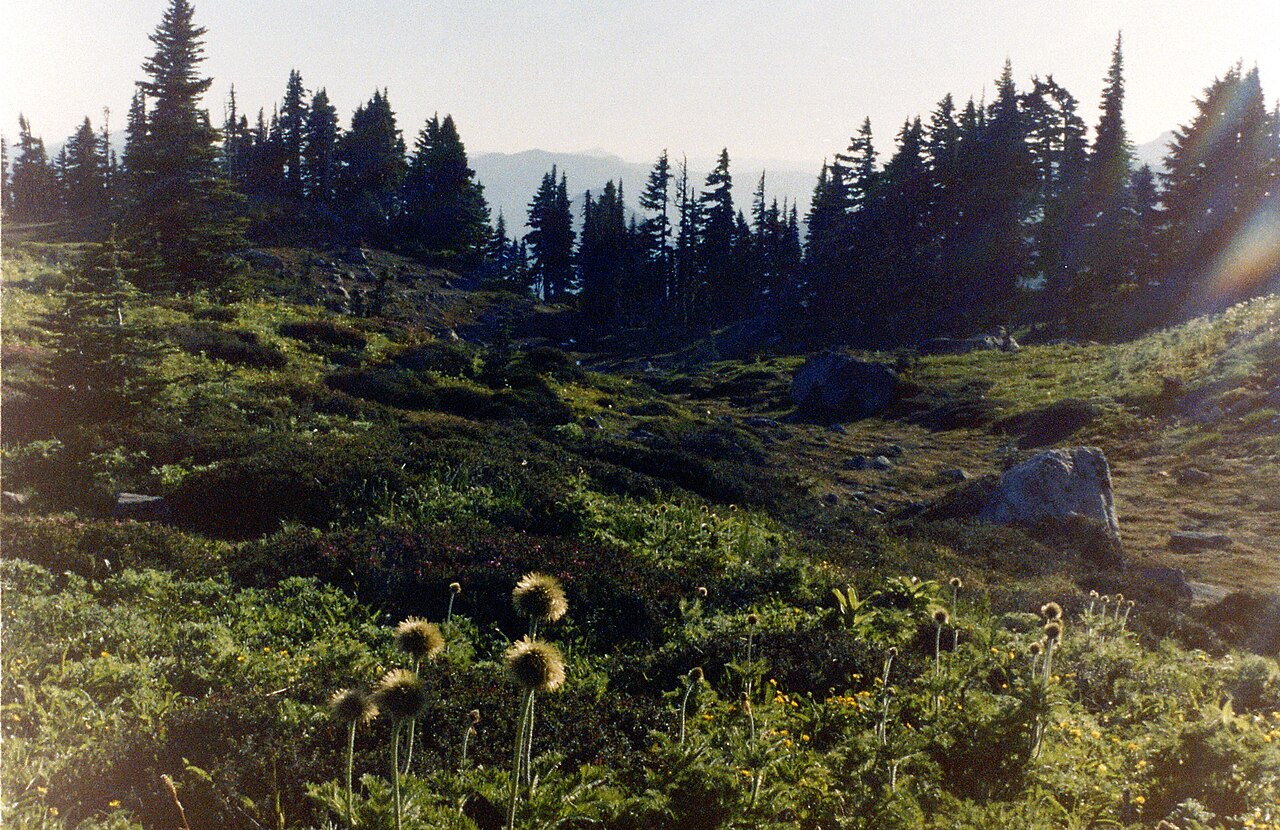
Mount Rainier's Paradise area features easy trails through spectacular alpine meadows and wildflower displays. Moderate elevation and accessible paths allow comfortable exploration of this volcanic landscape.
Why Visit: Mount Rainier offers dramatic mountain scenery combined with accessible hiking. Wildflower displays (July-August) and glacial views create unforgettable experiences.
Best Easy Trails:
- Nisqually Vista Loop: 1.8 miles. Easy loop with glacier views and meadow exploration.
- Trail of the Shadows: 0.9 miles. Historic walk through old-growth forest with Nisqually River views.
- Reflection Lakes Trail (Tatoosh Range viewpoint): 0.5 miles. Short walk to stunning views of Rainier reflected in alpine lake.
Best Time to Visit: July-August for accessible conditions and wildflower displays. Roads close November-May.
8. Olympic National Park, Washington: Rainforest Walks
Olympic's Hoh Rainforest provides an entirely different hiking experience—lush, moss-covered trees and ferns create a primordial atmosphere. Easy trail options through the rainforest provide this unique ecosystem experience without strenuous climbing.
Why Visit: Olympic offers diverse ecosystems: rainforest, mountains, and beach. Easy trails access the remarkable temperate rainforest habitat.
Best Easy Trails:
- Hoh Rainforest Trail (Hall of Mosses): 0.8 miles round trip. Walk through lush moss-covered forest. Mostly flat, well-maintained.
- Spruce Nature Trail: 1.2 miles round trip. Explores temperate rainforest ecosystem with interpretive displays.
- Beach Walks (Rialto Beach): Variable distances. Explore tide pools and sea stacks along coastal trail.
Best Time to Visit: July-September for dry conditions. Rainforest is wet year-round.
Preparing for Easy & Moderate Hiking
Step 1: Choose Appropriate Difficulty Level Match trail difficulty to your fitness level. Start with easy trails and progress to moderate as desired. Easy typically means flat terrain and minimal elevation; moderate includes some climbing and elevation gain.
Step 2: Gather Essential Supplies Bring water (2-3 liters minimum), snacks, sunscreen, hat, and comfortable hiking shoes. Trail conditions vary—check park websites for updates before departing.
Step 3: Start Early Begin hikes in early morning to avoid crowds, secure parking, and allow extra time for stops and photography.
Step 4: Know Your Limits Easy hiking should remain enjoyable. Turn back if you feel fatigued. The goal is experiencing the park, not exhausting yourself.
Step 5: Check Weather & Conditions National park conditions change rapidly. Check forecasts and park updates before hiking. Bring layers for temperature changes.
The Joy of Accessible Adventure
Easy and moderate hiking democratizes national park experiences. You needn't be a mountaineer or ultramarathoner to witness Earth's greatest natural wonders. These trails allow you to experience pristine wilderness, breathtaking scenery, and genuine connection with nature at a sustainable, enjoyable pace.
The most important aspect of national park hiking is presence—truly being present in the landscape, noticing details, breathing clean air, and allowing natural beauty to refresh your spirit. Easy and moderate trails facilitate this presence beautifully.
Conclusion
America's national parks welcome hikers of all abilities. Easy and moderate trails provide gateway access to extraordinary natural landscapes, diverse ecosystems, and genuine wilderness experiences. Whether you prefer waterfalls, canyons, mountains, or rainforests—accessible trails exist at every major national park.
This year, venture into America's national parks via easy and moderate trails. Discover how light adventure and natural beauty combine to create transformative travel experiences accessible to everyone.
What's your favorite easy national park hike? Share your trail recommendations with our community. Which parks surprised you with their accessibility? What hidden gems did you discover on easy trails? We'd love to hear about your national park adventures!